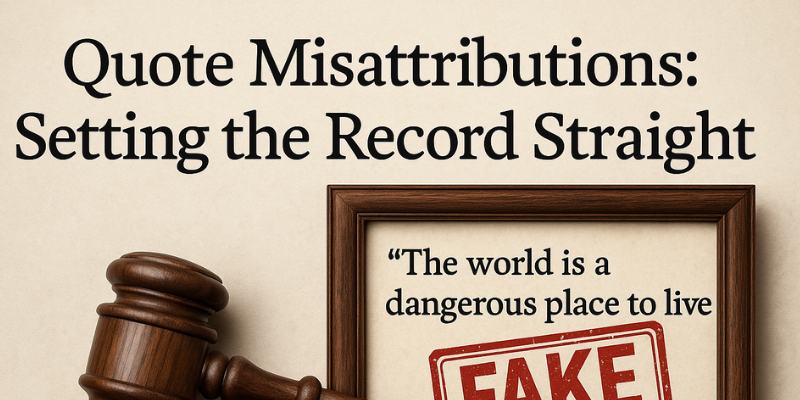
Quote Misattributions: Setting the Record Straight
In an age where information travels at the speed of light and quotes are shared millions of times across social media platforms, the problem of misattributed quotations has reached epidemic proportions. From inspirational memes featuring quotes allegedly from Albert Einstein to political statements falsely attributed to historical figures, the landscape of public discourse is littered with words that were never spoken by the people credited with them. This phenomenon not only distorts our understanding of history and literature but also undermines the integrity of public debate and intellectual discourse.
Quote misattribution is far from a modern problem, but the digital age has amplified its reach and impact exponentially. What once might have been a localized error in a newspaper or book can now spread globally within hours, becoming "truth" through repetition rather than verification. Understanding this phenomenon—its causes, consequences, and potential solutions—is crucial for anyone seeking to navigate our information-rich world with discernment and accuracy.
The Anatomy of Misattribution
Quote misattribution occurs when words are incorrectly credited to someone who never said or wrote them. This can happen through various mechanisms, ranging from innocent mistakes to deliberate fabrication. Sometimes quotes are paraphrased or taken out of context until they bear little resemblance to the original statement. Other times, anonymous or lesser-known sayings are retroactively attributed to famous figures to give them more weight and credibility.
The psychology behind why people accept and spread misattributed quotes is complex but understandable. When we see a quote attributed to someone we respect or admire, we're more likely to accept it at face value. The authority of the supposed speaker lends credibility to the words, making them seem more profound or meaningful than they might appear if we knew their true origin. This cognitive bias, known as the "halo effect," causes us to view statements more favorably when they come from prestigious sources.
Furthermore, misattributed quotes often persist because they sound like something the attributed person might have said. They align with our understanding of that person's philosophy, writing style, or public persona. A quote about imagination attributed to Einstein, for instance, might seem plausible because we associate him with creativity and unconventional thinking, even if he never actually said those specific words.
Historical Roots and Modern Amplification
The practice of misattributing quotes has ancient origins. Classical authors frequently put words into the mouths of historical figures to make their arguments more persuasive or to invoke the authority of respected individuals. The difference today is the speed and scale at which misinformation can spread. A single social media post can reach millions of people, and once a misattribution gains traction online, it becomes increasingly difficult to correct.
Search engines and quote databases, rather than solving the problem, often perpetuate it. When multiple websites list the same misattributed quote, it creates an echo chamber effect that makes the false attribution seem credible through sheer repetition. Many people conducting quick searches for inspirational quotes or supporting evidence for their arguments don't dig deeper to verify the source, accepting the first result they find.
Famous Examples That Refuse to Die
Some of the most persistent quote misattributions have become so entrenched in popular culture that they're nearly impossible to eradicate. Consider the quote "The definition of insanity is doing the same thing over and over again and expecting different results." This statement is most commonly attributed to Albert Einstein, but there's no evidence he ever said or wrote these words. The quote actually appears to have emerged much later, possibly originating from a Narcotics Anonymous pamphlet in the 1980s, though even this attribution is uncertain.
Einstein, perhaps more than any other historical figure, has become a magnet for misattributed quotes. His status as the archetypal genius makes him an attractive false source for everything from inspirational sayings to profound observations about life and science. Quotes about education, creativity, and wisdom are routinely credited to him without any supporting evidence. The Quote Investigator website and other fact-checking resources have debunked hundreds of quotes allegedly from Einstein, yet new misattributions continue to emerge regularly.
Mark Twain represents another frequently misquoted figure. The American humorist and author has been credited with countless witty observations he never made, leading to the ironic (and itself misattributed) saying: "The trouble with quotes on the Internet is that you can never verify their authenticity." While Twain never said this specific line, it perfectly captures the modern dilemma of quote verification in the digital age.
Political figures are particularly susceptible to quote misattribution, often for partisan purposes. Thomas Jefferson, for example, has been credited with numerous statements about government, liberty, and individual rights that he never made. These false attributions are often used to support contemporary political arguments, giving them the gravitas of a Founding Father's endorsement. Similarly, quotes are frequently misattributed to figures like Winston Churchill, Abraham Lincoln, and Benjamin Franklin to lend historical weight to modern political positions.
The entertainment industry has also contributed to quote misattribution. Famous lines from movies are sometimes credited to the actors who delivered them rather than the screenwriters who created them. Conversely, improvised lines or ad-libs might be attributed to writers who had nothing to do with them. The collaborative nature of filmmaking makes accurate attribution particularly challenging, and the public's tendency to conflate actors with their characters further complicates matters.
The Digital Echo Chamber Effect
Social media platforms have created unprecedented opportunities for misattributed quotes to spread and persist. The visual nature of platforms like Instagram and Facebook has given rise to quote graphics—attractive images featuring text overlaid on appealing backgrounds. These memes are designed for sharing rather than accuracy, and the visual format makes it difficult to include proper source citations or qualifications.
The algorithmic nature of social media feeds means that popular content gets more exposure, regardless of its accuracy. A beautifully designed quote graphic with an inspiring message and a famous attribution is likely to be shared widely, even if the quote is completely fabricated. Each share increases the quote's apparent credibility, creating a feedback loop that can make false information seem authoritative.
Pinterest and similar platforms have become vast repositories of misattributed quotes, organized into collections labeled "Words of Wisdom," "Inspirational Quotes," and similar categories. Users collect and share these quotes without verification, treating them as decoration or motivation rather than historical record. The decorative context further divorces the quotes from any need for accuracy or verification.
The Wikipedia Problem and Solution
Wikipedia, despite its reputation for accuracy, has struggled with quote misattribution. The collaborative nature of the platform means that unsourced quotes can be added by well-meaning editors who've encountered them elsewhere online. However, Wikipedia has also become part of the solution through its sister project, Wikiquote, which maintains higher standards for source verification and includes sections specifically dedicated to misattributed quotes.
The "Misattributed" sections on Wikiquote pages serve as valuable resources for debunking false quotes. These sections not only identify quotes that are incorrectly attributed but often provide information about their actual origins when known. This approach acknowledges the persistence of misattributions while providing accurate information to counter them.
Academic and Journalistic Standards
Professional historians, journalists, and academics have developed rigorous standards for quote verification, but these standards often don't translate to popular media or online content. Academic papers require proper citations and source verification, but news articles, blog posts, and social media content often operate under different standards that prioritize speed and engagement over accuracy.
The pressure to publish quickly in the modern media environment can lead to inadequate fact-checking of quotes. Journalists working under tight deadlines might not have time to verify that a quote they've seen attributed to a famous figure elsewhere is actually accurate. This creates a cascade effect where misattributions spread from one media outlet to another, gaining credibility through repetition in supposedly reliable sources.
Some news organizations have implemented fact-checking procedures specifically for quotes, but these efforts are inconsistent across the industry. The rise of dedicated fact-checking organizations like Snopes, PolitiFact, and FactCheck.org has helped address some of these issues, but their reach is limited compared to the vast volume of content published daily.
The Role of Quote Investigators
A new breed of researchers has emerged to combat quote misattribution: the quote investigators. These individuals and organizations dedicate themselves to tracking down the true origins of popular quotes and debunking false attributions. The Quote Investigator website, founded by Garson O'Toole, has become one of the most authoritative sources for quote verification, using rigorous research methods to trace quotes back to their earliest known appearances.
These investigators employ techniques borrowed from historical research and journalism, including database searches, newspaper archives, and correspondence with experts. They often uncover fascinating stories about how quotes evolved, were paraphrased, or became attached to famous names through coincidence or deliberate manipulation.
The work of quote investigators has revealed patterns in how misattributions develop and spread. They've found that quotes often migrate from less famous to more famous sources over time, as each retelling slightly adjusts the attribution to make the quote seem more authoritative. This "attribution inflation" can transform an anonymous saying into a quote supposedly from one of history's most renowned figures.
Psychological and Social Implications
The prevalence of misattributed quotes has broader implications for how we process and share information. When people regularly encounter and share false attributions without verification, it can contribute to a general erosion of critical thinking skills and source evaluation. The ease with which false information spreads online can make people more susceptible to misinformation in other areas as well.
There's also a social aspect to quote sharing that complicates the accuracy issue. People often share quotes not because they've verified their accuracy, but because they want to express agreement with the sentiment or appear knowledgeable by associating themselves with famous thinkers. The social function of quote sharing can override the importance of accuracy, making correction efforts seem pedantic or unwelcome.
The attachment of famous names to quotes also reflects and reinforces certain cultural biases about whose words are worth preserving and sharing. Quotes are more likely to be attributed to well-known white male figures from Western cultures, while the contributions of women, minorities, and non-Western thinkers may be overlooked or erased through misattribution.
Tools and Techniques for Verification
Fortunately, the same digital tools that enable the spread of misattributed quotes can also be used to verify them. Search engines, while imperfect, can help locate the earliest known appearances of quotes and identify patterns in how they've been attributed over time. Advanced search techniques, such as searching for exact phrases in quotation marks or limiting results to specific date ranges, can be particularly useful.
Digital archives of newspapers, books, and other publications have made it possible to trace quotes back further than ever before. Google Books, newspaper databases, and digitized historical documents allow researchers to search vast collections of text for specific phrases and attributions. These tools have revolutionized quote verification, making it possible to definitively debunk attributions that might have persisted indefinitely in pre-digital times.
Specialized quote databases and fact-checking websites provide curated, verified collections of quotes along with information about common misattributions. These resources often include detailed explanations of how misattributions developed and evidence for the correct attributions. Building the habit of consulting these resources before sharing quotes can significantly improve the accuracy of information circulation.
The Responsibility of Content Creators
Content creators, from social media influencers to professional writers, bear a special responsibility in the fight against quote misattribution. Their platforms give them the power to spread accurate information or amplify misinformation to large audiences. Some content creators have begun including source citations with their quote posts or explicitly noting when a quote's attribution is uncertain.
Educational institutions and media literacy programs are increasingly recognizing the need to teach critical evaluation of online information, including quote verification. These programs emphasize the importance of checking multiple sources, understanding the difference between primary and secondary sources, and recognizing the signs of potentially unreliable information.
The Future of Quote Verification
Technology continues to evolve in ways that could both help and hinder quote verification efforts. Artificial intelligence and machine learning algorithms could potentially be trained to identify likely misattributions by analyzing writing styles, historical context, and attribution patterns. However, the same technologies could also be used to create more sophisticated false quotes that are harder to detect.
Blockchain technology has been proposed as a potential solution for creating tamper-proof records of quotes and their attributions, though implementation of such systems would face significant practical challenges. The decentralized nature of information sharing on the internet makes comprehensive solutions difficult to implement.
Conclusion: The Ongoing Battle for Truth
The fight against quote misattribution is ultimately part of a larger struggle for information accuracy in the digital age. While technology has made it easier for false information to spread, it has also provided powerful tools for verification and correction. The key lies in developing better habits of critical evaluation and source checking, both individually and collectively.
Success in this endeavor requires a multi-faceted approach involving education, technology, and cultural change. We must teach people to be more skeptical of unsourced information while providing them with the tools and resources to verify what they encounter. Content creators and media organizations must prioritize accuracy over virality, and platforms must consider how their design and algorithms can better support truth over engagement.
The persistence of quote misattributions despite readily available fact-checking resources suggests that solving this problem requires more than just access to accurate information. It requires changing how we think about and share information online. This means moving beyond the immediate gratification of sharing something that sounds profound or supports our viewpoints to taking the time to verify its accuracy.
As we continue to navigate an information landscape where anyone can publish anything and where compelling falsehoods often spread faster than mundane truths, the importance of quote verification extends far beyond academic accuracy. It's about maintaining the integrity of public discourse, preserving historical truth, and fostering a culture that values evidence over assertion.
The battle against quote misattribution may never be fully won, but each verified source, each corrected attribution, and each person who learns to think critically about information contributes to a more accurate and trustworthy information ecosystem. In a world where words can travel around the globe in seconds, ensuring those words are accurately attributed to their true sources becomes not just an academic exercise, but a crucial component of informed citizenship and intellectual honesty.
The stakes are higher than mere academic accuracy. When we allow false attributions to persist and spread, we risk losing touch with the actual thoughts and words of the people who have shaped our world. We diminish the contributions of those whose words are stolen and inflate the reputations of those who receive false credit. Most importantly, we undermine our collective ability to distinguish truth from fiction, a skill that's becoming increasingly vital in our interconnected, information-saturated world.
Setting the record straight on quote misattributions is therefore not just about correcting historical inaccuracies—it's about developing and maintaining the intellectual tools necessary for thriving in the twenty-first century. Every time we take the extra moment to verify a quote before sharing it, we contribute to a more truthful and trustworthy information environment for everyone.
Explore Quote Collections
Books & Knowledge
Explore the best quotes about the power of reading, the magic of libraries, book collecting, literary wisdom, and the timeless bond between reader and author.
Friendship
Explore the best friendship quotes about true friends, loyalty, trust, betrayal, love, and lifelong bonds. Browse curated quote collections by theme.

Life
Explore the deepest questions of existence. A curated collection of quotes on the journey of life, the pursuit of wisdom, the beauty of struggle, and the acceptance of mortality.
Persistence & Progress
Discover the power of steady progress. Explore curated quotes on overcoming challenges, simplifying complex problems, staying focused, and the art of getting things done.
You Might Also Like
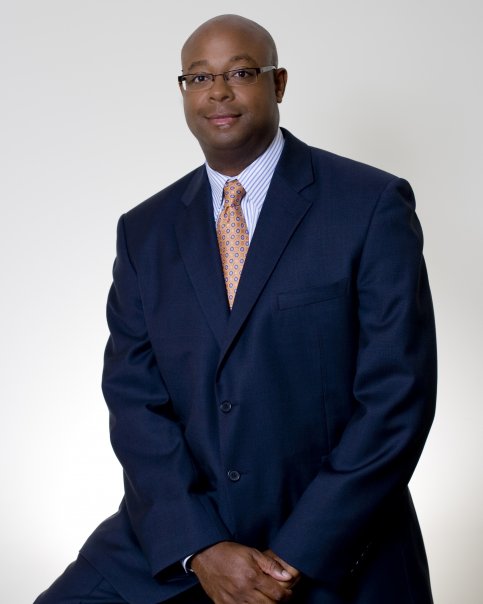
Patrick Wright
Software engineer and creator of Quotesperation. I curate wisdom from history's greatest minds to inspire and guide modern life. When I'm not collecting quotes, I'm writing about technology and finding connections between timeless wisdom and today's challenges.